Budgetary quote vs firm quote: when to send each on a new plant
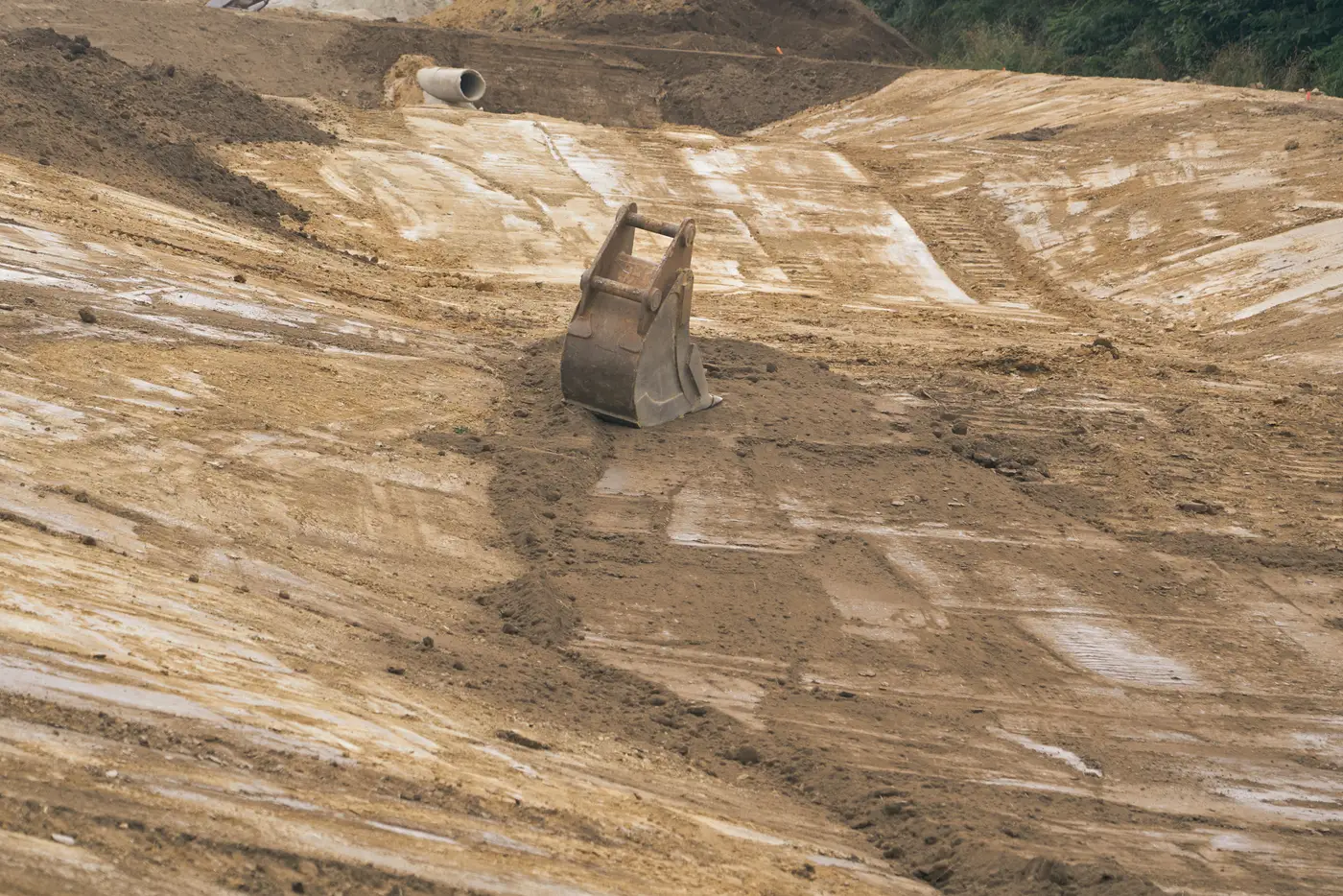
Every regional rep has sent a budgetary number too early and watched it get treated as gospel six months later when steel prices moved. Every rep has also sat on a firm quote too long waiting for "more certainty" and lost the order to whoever answered the RFQ first. The two mistakes come from the same root problem: nobody taught a clean rule for which quote goes out at which stage of a greenfield build.
What a budgetary quote is actually for
A budgetary quote, the ROM number, exists to get your equipment line into somebody's capex model. The owner's engineer or the GC's estimator is building a project budget, not a PO. They need a number that's close enough to hold a line item, not one that survives a freight audit.
Send a budgetary quote when:
- The site is still dirt, or earlier. Grading hasn't started, the pad layout isn't final, you're working off a conceptual site plan.
- Someone asks "roughly what would this cost" for a capex approval packet or a fiscal-year budget cycle.
- The spec is still loose. Throughput numbers, utility tie-ins, and building envelope are all subject to change before the permit set is final.
A good budgetary number is honest about its own looseness. Say plus or minus a range, note what's excluded (freight, installation, commissioning), and put an expiration on it. The worst version of a budgetary quote is one that gets photocopied into a bid package eight months later with no caveats attached, and now you're defending a number you gave before the building had a footprint.
When a budgetary quote should become a firm one
Site facts decide the conversion point. Convert to a firm quote, with locked pricing, freight, and lead time, once:
- The equipment list and spec sheet are final, signed off by the engineer of record, not a draft.
- You have a real commissioning or plant-startup date the customer is holding people to.
- Procurement is asking for a 30, 60, or 90-day firm price, the kind that goes into a purchase order.
- Site work has actually started. Pads are poured or at least graded, access roads are in, and the building shell has a contractor on it.
That last point is the one reps get wrong most often, because it's the one that's hardest to verify without a call to the GC or a site visit. A lot of "the site is moving forward" turns out to be a cleared lot with nothing else happening for four more months. Sending a firm quote, with a lead-time commitment from your plant, against a site that's still just graded weeds is how you end up holding inventory or eating a price change on raw materials before the PO ever lands.
The real risk is timing, not the number itself
Nobody loses a deal because they called a budgetary number a budgetary number. They lose deals because they find out a competitor's firm quote landed on the buyer's desk the week earthworks started, while they were still waiting for a "let's touch base in Q3" email that never came. The gap between first dirt and foundation pour is usually your real window to convert from ROM to firm, and most reps never see it happen. They find out construction started when someone posts photos of the finished building.
That gap is worth fixing before the next quoting cycle. If you know the month a prospect's facility breaks ground, you can time the firm quote to land while the general contractor is still finalizing the equipment list, not after a competitor already walked the site. Greenfield Watch runs a monthly pass over your target sites and flags the first graded pad or new access road with a date, so the firm quote goes out while the building is still a hole in the ground instead of a ribbon-cutting.
A budgetary number earns you a line item in somebody's spreadsheet. A firm quote, timed right, earns you the PO. Knowing which one to send, and when the site itself tells you it's time to switch, is most of the job.
Set up a watch on the next site you're tracking and let the ground itself tell you when to send the firm number.