Field notes: the access road that gave away the project before the pad did
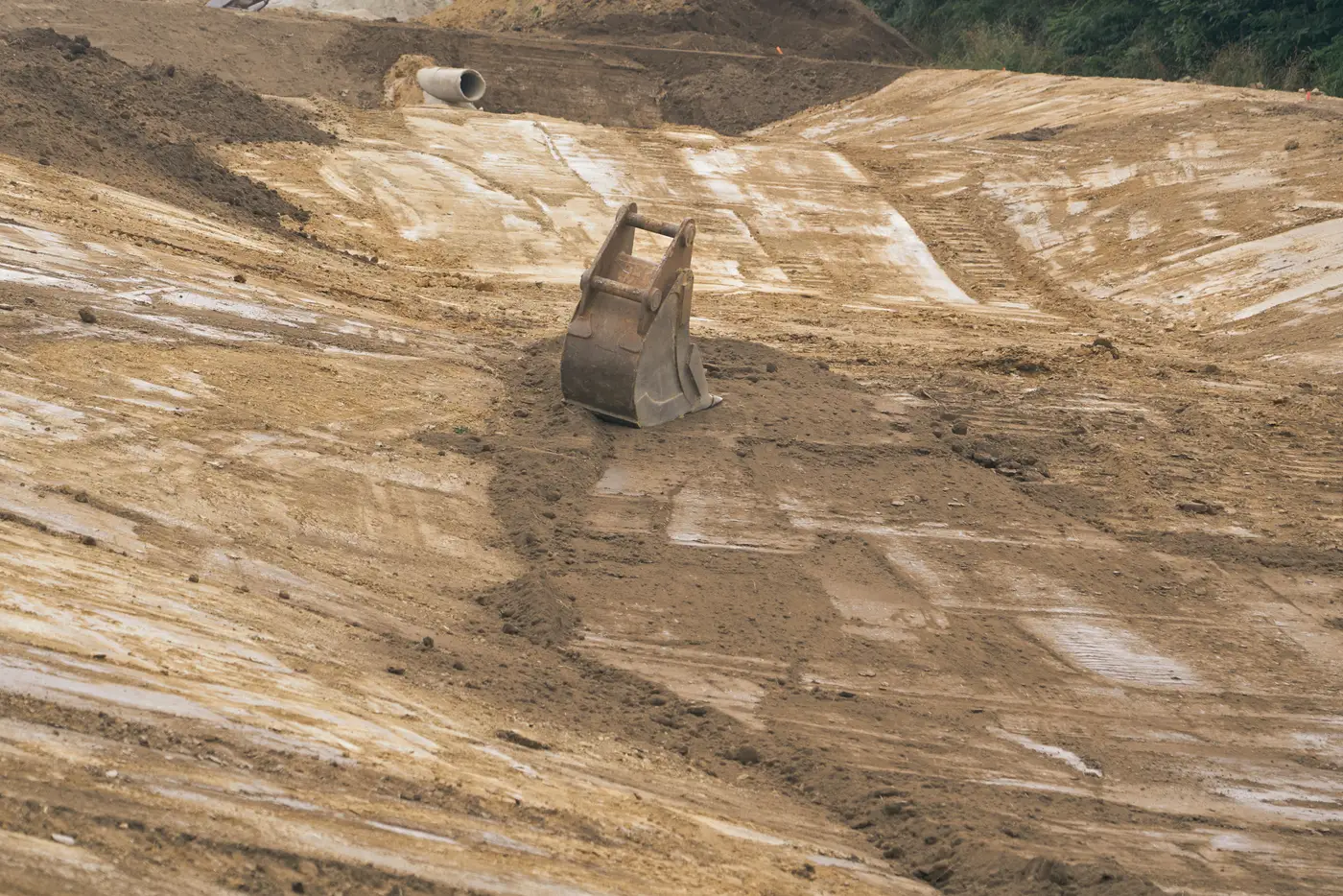
I was out past Weldon County in late March, following up on a lead that had gone cold, when I drove past a field I'd checked on a permit list six weeks earlier. Nothing had broken ground as far as the county recorder knew. But there it was: a graded road running off the county line, maybe 1,400 feet of it, compacted and crowned, with two new culverts already dropped in at the low spots.
No pad. No tilt-wall panels stacked on site. No cranes. Just a road, built to a spec that had nothing to do with farm traffic.
That road told me three things before anyone from the ownership group returned a call. First, the turning radius at the entrance was wide enough for a tractor-trailer with a long wheelbase, not a grain truck. Second, somebody had already paid for culvert work, which means the civil engineer signed off on drainage before the client wanted to spend a dime on the building itself. Third, and this is the one that matters most if you're trying to get a quote in front of the right person: the access road is almost always the first thing a GC builds, because everything else, batch plants, laydown yards, the first deliveries of structural steel, needs a way in that won't turn to soup in the spring.
By the time the pad gets poured, the project has already picked its process equipment vendor shortlist for anything long-lead. The road is the tell. The pad is the confirmation everybody else sees.
I've started paying more attention to road geometry than I used to, honestly more than I pay to the building footprint itself, because the footprint doesn't exist yet when the road goes in. A loop road with no obvious endpoint, one that circles back on itself around open ground, usually means a yard or a terminal, something that needs vehicle stacking and turnaround rather than a single building entrance. A straight shot road with a single wide apron at the end is more often a plant, something that's going to need a scale house and a defined receiving dock. You can start sizing up what kind of account this is going to be weeks before the structural engineer has stamped anything.
A fresh cut road against bare dirt is about as subtle as a flare once you know to look. The hard part is being there to see it. Most regional reps aren't driving every county road in their territory every month, and they shouldn't have to be.
I know guys who've built their own informal network: a concrete supplier who tips them off, a guy at the county road department who mentions when someone pulls an access permit. That works fine until the supplier gets busy or the guy retires. Those tips are favors, and favors run out right when you need them most.
What you actually want is the same thing I got by accident that day outside Weldon County, except on a schedule, and without having to burn a tank of gas checking fields that haven't moved. A monthly look at the ground in the territories you quote regularly would have put that access road in front of me the month it went in, not six weeks after, and it's the kind of pass that Greenfield Watch is built to run.
Because by the time the pad's poured and the building's up on the horizon, your competitor already had his sample unit on site for a walkthrough. The road doesn't lie about what's coming. It just doesn't wait for you to notice.
If you've got counties you quote every cycle, it might be worth having something watch the dirt for you before the next road goes in.