Field notes: the rep who called the Tuesday after groundbreaking and the one who didn't
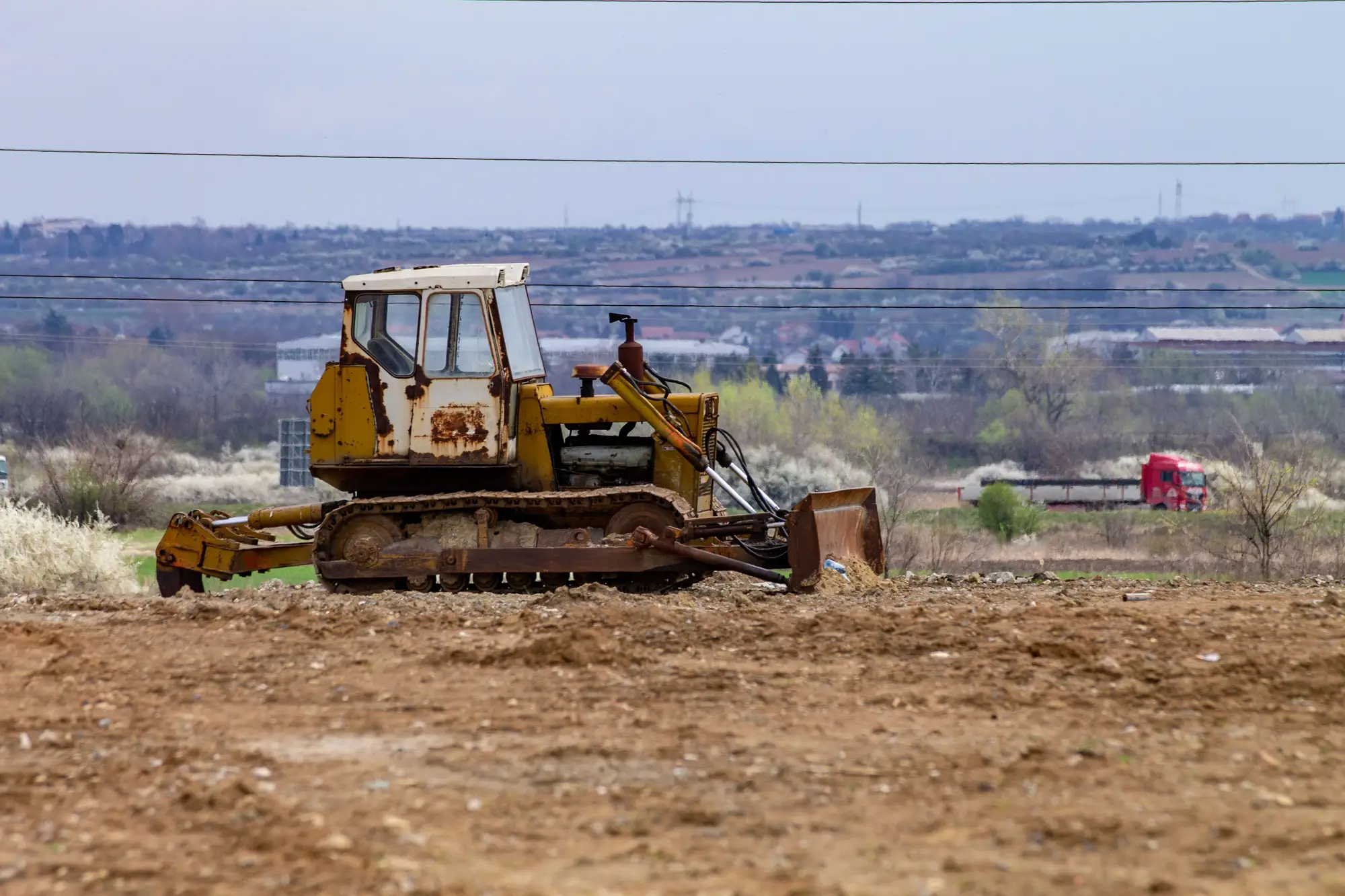
Same county, same quarter, two reps covering the same patch. A 140-acre cold storage build outside a county seat in the Midwest, the kind of project that shows up in the local paper twice: once when the grading permit clears, once when the plant manager cuts a ribbon fourteen months later.
Rep A heard about it from a dirt contractor he'd quoted a compactor to the year before. The contractor mentioned he was moving a crew out to a new site west of town, clearing started that Monday. Rep A called the GC's project engineer that Tuesday. Not a pitch, just a "heard you broke ground, who's handling material handling for the cold dock." Got a name, got put on a bid list that didn't exist yet, and spent the next five months showing up at the right intervals: once when the slab poured, once when the racking contractor got named, once when the plant manager finally had a title and an email address.
Rep B found out the way most people find out: a press release. The county's economic development office put it out in June, with a rendering and a quote from the mayor. He called that week and got the plant manager's assistant, who told him, politely, the fleet was already spec'd. The GC's preferred dealer had walked the site back in March, while the pad was still being graded, and by the time the building had walls the equipment line was basically locked. Rep B wasn't slow. He'd just found out on the same schedule as everybody else who reads the local business section.
That's the pattern more than people like to admit. The equipment decision on a new facility doesn't happen at the ribbon-cutting. It happens somewhere between the grading permit and the first concrete truck, while the super is still fencing the laydown yard and the civil engineer is still moving dirt. By the time there's a building worth photographing, the dealer who got there first has usually already had three conversations with the people who sign off on the fleet.
This information already exists, it just travels by accident. A rep hears about a new plant from a dirt contractor, a crane operator, a buddy at the county assessor's office, a LinkedIn post from a GC's super who's proud of the haul road he just cut. None of that is reliable, and none of it covers a territory bigger than the handful of counties a rep happens to know people in. Outside that radius, the first anybody hears is the press release, and the press release means the slab's already poured.
The ground tips a rep off before the building does. A cleared parcel where there wasn't one last month. A graded pad sitting where the satellite imagery used to show a soybean field. A new access road cut in before there's anything at the end of it to access. Those show up weeks, sometimes months, before any press office has a reason to say anything.
A few reps I've talked to have started running their own version of what a monthly watch over new clearing does automatically on greenfieldwatch.com's landing page: a pass over their territory specifically looking for fresh dirt, not finished buildings. It's slower and spottier than it should be when it's one guy scrolling county GIS maps on a Sunday, but the instinct is right. The site that matters is the one that hasn't made the paper yet.
If your patch is big enough that you can't drive it every week, it might be worth letting something else watch the dirt for you.