Field notes: the ribbon-cutting we found out about a year too late
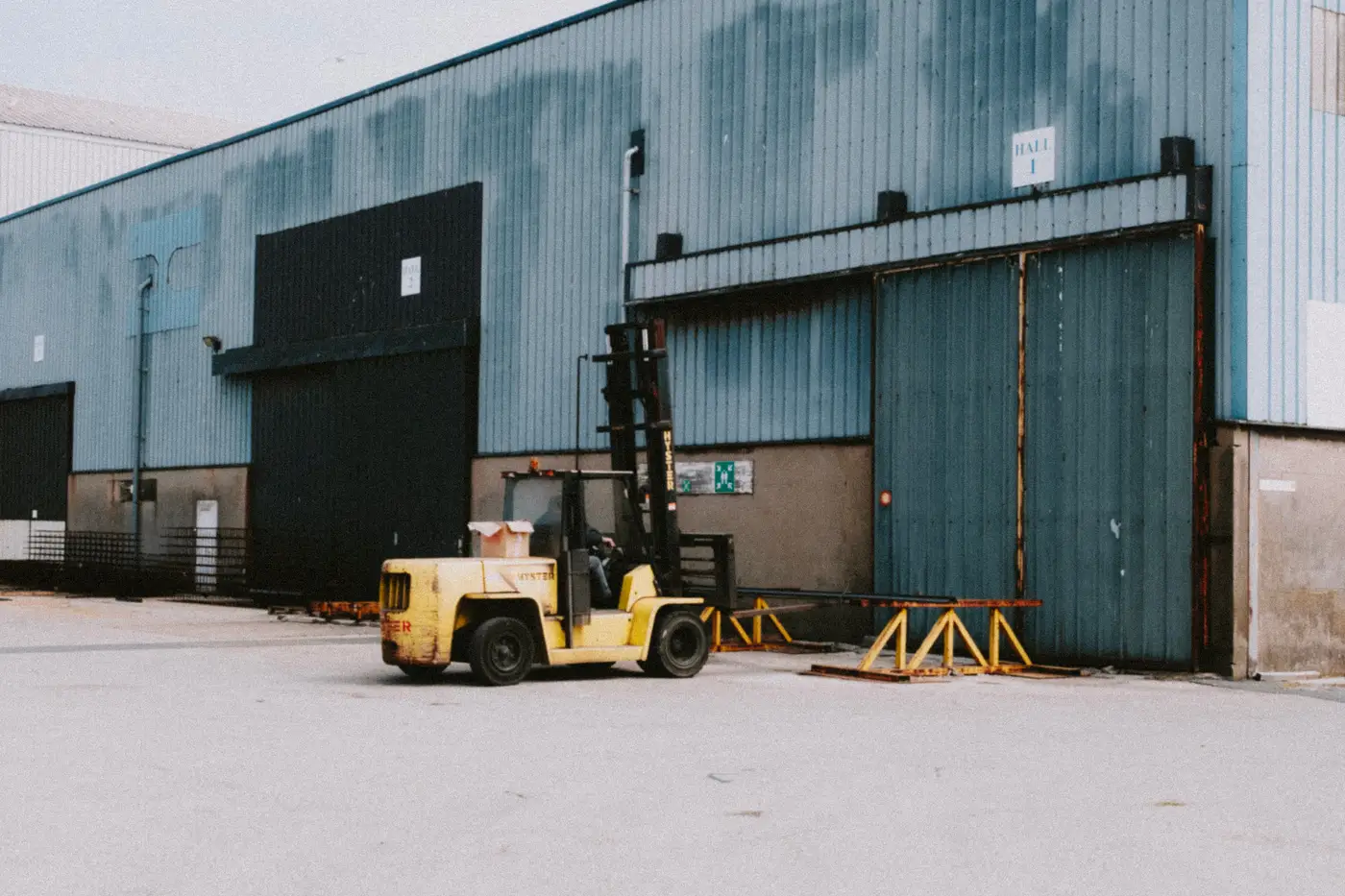
I found out about the plant the way most of us do now: a LinkedIn post. Hard hats, a wide shot of a clean concrete floor, a quote from the plant manager about "a proud day for the community." Forty-one minutes from my branch.
I scrolled the comments out of habit, the way you check a competitor's truck in a parking lot. Someone from a lift truck dealer two states over had tagged their regional sales guy. Congrats on the install. Three forklifts, a dock leveler package, a full charging station buildout. Not my dealer. Not even close to my territory on paper, except the plant sat on a county road I drive twice a month.
I pulled the permit records that afternoon, mostly out of spite. Site plan approved fourteen months earlier. Grading permit nine months before the ribbon-cutting photo. Slab poured at month six. By the time I would have had any reasonable shot at getting in front of the GC's equipment list, the fleet was already quoted, financed, and probably half-delivered.
That's the part that sits with me. It wasn't that we lost the deal. We never had a deal to lose. The RFQ, if there was one, never crossed a desk with our name on it, because nobody in our shop knew the site existed until it had a loading dock.
I've worked this territory long enough to know the usual tells. Sometimes a GC you've poured concrete for before remembers to call. Other times it's the county economic development newsletter, usually a quarter after the land's already graded and without an address specific enough to act on. Or it shows up on a zoning board agenda, if you're the kind of person who reads those for fun, which some of the best territory managers I know are.
None of that is a system. It's a net full of holes, and the holes happen to be exactly where the big accounts fall through, because the biggest builds are the ones with the most capital behind them and the least appetite for talking to anyone before the shovels are already in the dirt.
The loss of one plant doesn't bother me as much as the math does. How many of these happened the same way over the past five years, in a territory I'm supposed to know cold. A cold storage build two counties over. A tier-one supplier's expansion I heard about from a buddy at a competing branch, at a bar, eight months after their GC broke ground. Each one on its own feels like bad luck. Lined up, it looks like a pattern: we find out about new construction on the trailing edge, right around the time someone else's name is already on the dock equipment.
None of this information is actually secret. Earthwork isn't quiet. A graded pad and a new access road sit there in plain view for months before anybody pours a slab, let alone hangs a sign. Nobody on our side had eyes on that stretch of county road in month two, when the dirt first got moved. We showed up in month fourteen, when the plant manager was already posing for photos.
That's the gap I've been trying to close since that LinkedIn post, and it's the whole idea behind a monthly pass over your territory that flags the first break of ground, the cleared land and new pads before anyone's filed a press release about it. Groundbreaking isn't loud, but it isn't invisible either, and the quote window is wide open right up until someone else walks through it first.
If you've ever caught a ribbon-cutting on social media and done that same unhappy math on the timeline, Greenfield Watch is built for exactly that morning.