How to build a county watch list for new plant construction in your territory
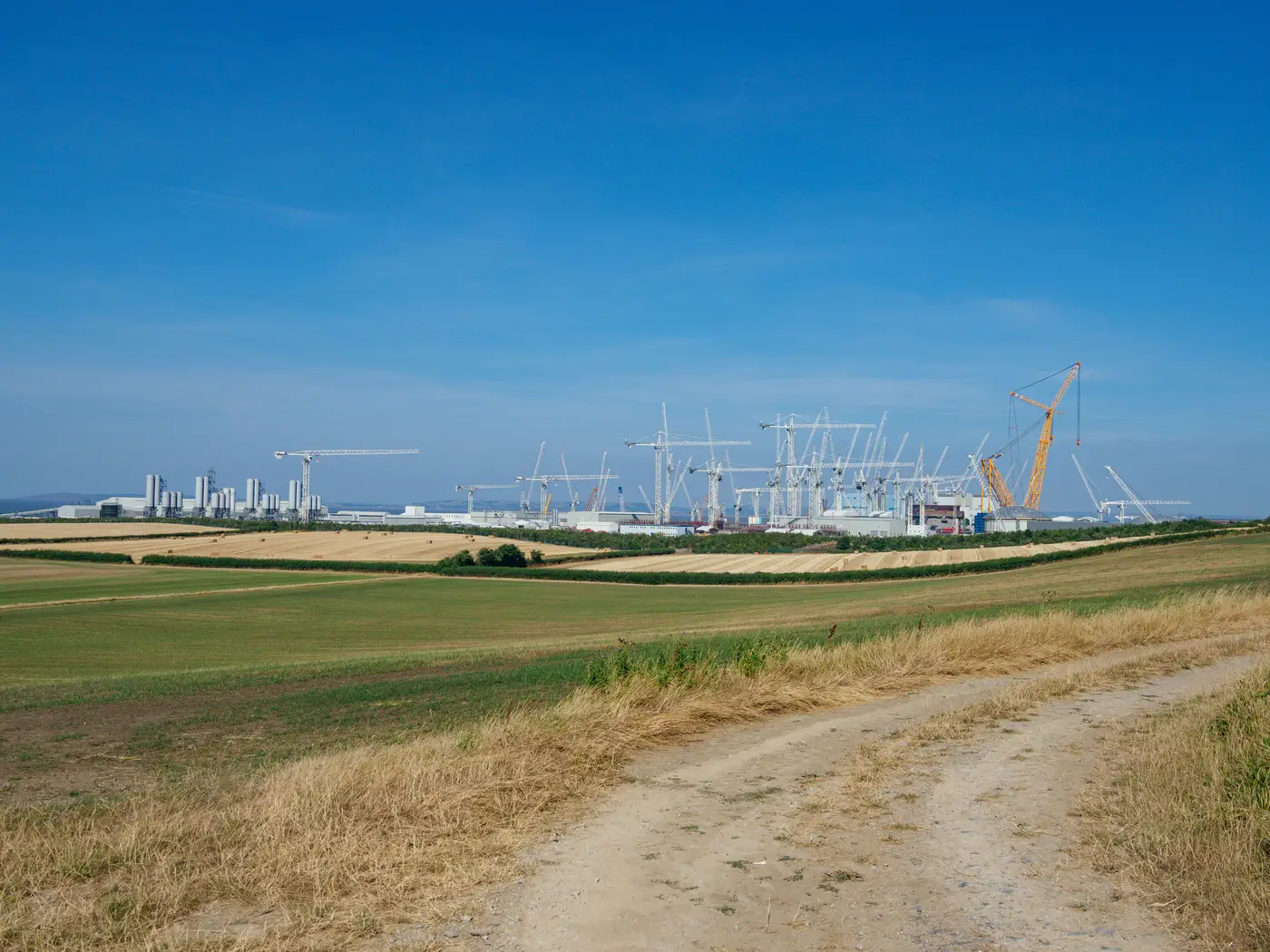
Most OEM reps already carry a mental list of the counties where something is probably coming. The industrial park with the extra pad sites graded in. The county that just widened its rail spur. The one where the economic development office keeps hinting at "an announcement soon." Knowing which counties matter is the easy part. The hard part is knowing when dirt actually starts moving, and finding that out before the competitor's rep does.
A watch list fixes the first part. It doesn't fix the second unless you build it to do that on purpose.
Picking the counties that belong on the list
Start narrower than your whole territory. If you cover six states, you're not watching six states, you're watching the 15 to 40 counties where a new plant, yard, or terminal is plausible. That usually means some combination of:
- Rail access or a recent rail spur extension
- Interstate or four-lane highway frontage with existing interchange capacity
- An industrial park, megasite, or certified site program listing with available acreage
- Utility capacity announcements (a substation upgrade or water line extension is often the tell a year before a building permit)
- A state or regional economic development agency that's been teasing a "project" under a code name
Pull this list from your state's site selection database, your utility rep contacts, and honestly, from memory. Most territory managers can name the counties in five minutes once they sit down and think about it. The list rarely needs more than a few dozen entries even for a large multi-state territory.
Tracking the counties once you have them
This is where most reps' systems fall apart, because tracking means checking things by hand, and nobody has time to check 30 county clerk sites and 30 local newspaper archives every week.
The usual approach is some mix of:
- Google Alerts on each county name plus "plant" or "facility," which mostly surfaces the ribbon-cutting story, not the groundbreaking
- A standing relationship with the county's economic development director, which works great for the three counties you talk to monthly and not at all for the other twenty-five
- Checking building permit portals directly, where they exist and get updated
- Driving the territory, which is the most reliable method and the one nobody has time to do often enough
Each of these has the same weakness. They tell you about a plant after someone has decided to announce it, which is usually well after the ground is cleared and sometimes after a competing fleet quote has already gone out. By the time the press release hits, the site is framed and the equipment decision may already be made.
What closes that gap is a way to see the ground itself change, on a schedule, without waking up every county clerk in your territory. That's the difference between a watch list and a watch area: one is a spreadsheet of county names, the other is a repeating check on whether anything has broken ground in them.
If your territory runs 20 or 30 counties, a monthly pass over the whole watch area, checked the same way every month rather than chased down case by case, catches the thing a press release catches three months later: cleared land where there wasn't any last pass, a graded pad, a new access road cut in off the county highway. That's the signal that turns a county on your list into a quote opportunity, and it's the one thing a spreadsheet of county names can't give you on its own.
A watch list only earns its keep when it turns into an alert you can act on while the site is still being built. Keep the list, but build a way to check it that doesn't depend on someone else deciding to tell you first.
If you'd rather not be the one checking 30 counties by hand every month, Greenfield Watch runs that pass for you and flags the ones that moved.