Graded pad or cleared hunting lease? Reading satellite imagery right
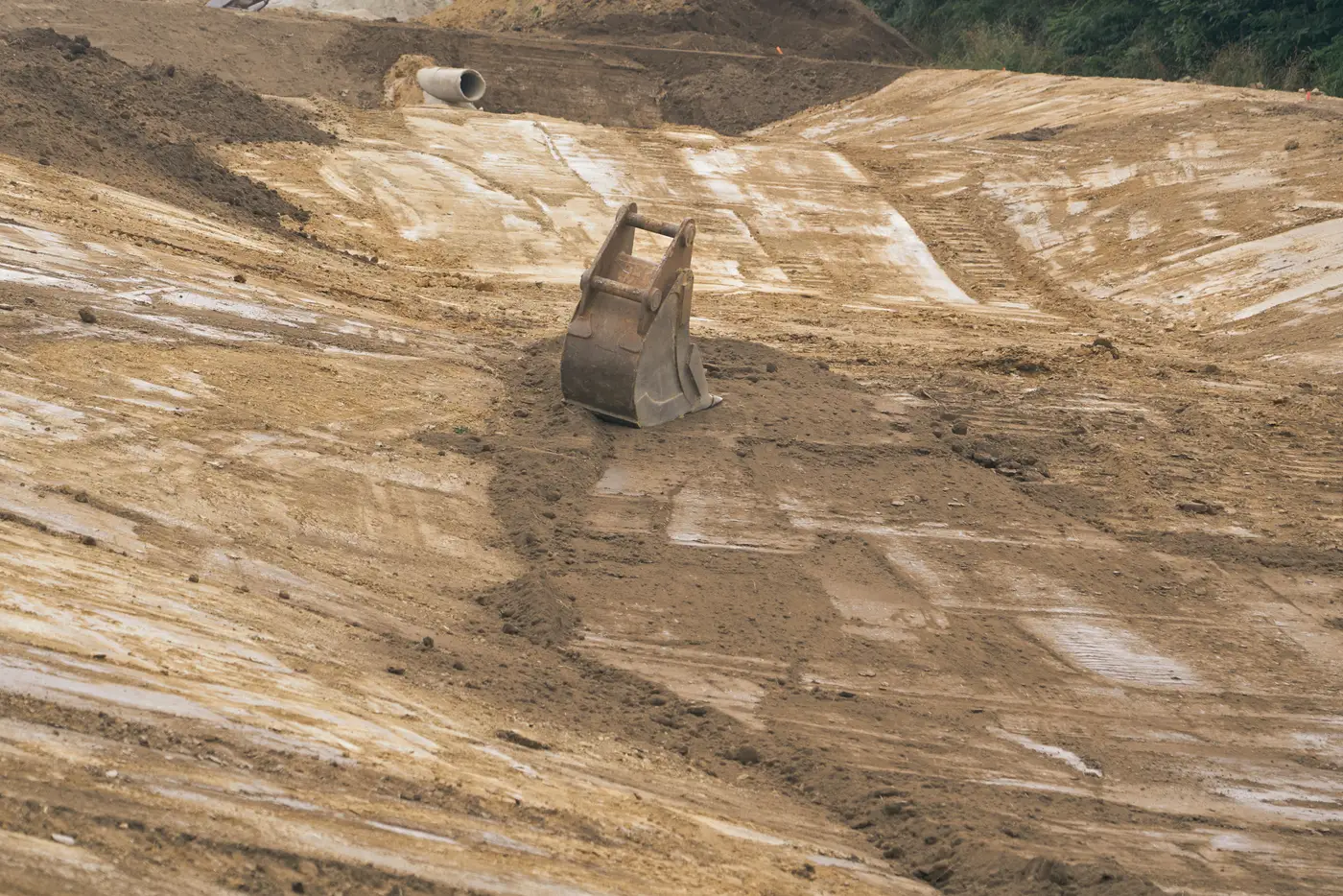
You've seen it before. A patch of bare dirt shows up in your territory on the quarterly imagery pull, you get excited, you call the broker, and it turns out somebody just logged forty acres for a deer lease. Bare ground by itself doesn't tell you much. The trick is in what's around the bare ground.
Cleared land is not the signal. Grading is.
A hunting lease, a timber harvest, a brush-hogged pasture, all of these show up as cleared land in an imagery pass, and all of them look similar at a glance: irregular edges, stumps or slash piles still visible, maybe a two-track trail cut in with a dozer blade. None of that costs the kind of money a plant site costs, and none of it requires the kind of equipment you quote.
A graded pad is different because someone paid an engineer to design it and a contractor to build it to spec. Look for:
- Straight or gently curved edges, not ragged ones. Cleared timber or brush leaves an irregular tree line. A pad has a surveyed boundary, so the edge reads as a clean geometric shape, usually a rectangle or a rectangle with one corner clipped for setbacks.
- A visible grade change. Cut-and-fill work leaves shadow lines where the dirt was leveled, sometimes a berm on the low side. Raw clearing doesn't touch the contour at all. If the ground still rolls the way it rolled before anybody showed up, it's not a pad.
- Compacted, uniform color. Fresh cut-and-fill dirt reads lighter and flatter in tone than brush-cleared ground, which still shows patches of stump, slash, and exposed root mat in irregular blotches.
- A wide, surveyed access road tied square into the county road. A site road typically runs 24 to 30 feet wide with a graded base and a defined turning radius where it meets the highway, built to handle a loaded lowboy. A hunting lease trail is two ruts a dozer blade cut through the brush, following whatever grade was easiest instead of running straight.
- A retention pond or detention basin. Almost every permitted industrial site has to manage stormwater. A rectangular or kidney-shaped excavated basin near the pad, especially one with a visible outlet structure, is a strong tell that a civil engineer was involved. Hunting leases don't have detention ponds.
- Utility staging. Pole lines being extended toward the site, a transformer pad poured ahead of the building, or a gas line trench cutting across a field toward the clearing. These show up before the building does and they don't happen for a lease.
Where false positives come from
Most of the false alarms in this line of work aren't malicious, they're just land use that looks superficially similar from altitude. Solar farm prep sites will grade and fence but the grading is usually shallow and the fence line is the giveaway. Ag land getting cleared for row crops shows up seasonally and reverts to green the following spring, which a cleared industrial pad never does. And a genuine timber harvest will often leave a grid of skid trails rather than one consolidated pad, because the loggers are following the stand, not a site plan.
The fastest check, if you're not sure, is to look at the shape of the disturbance against the shape of the access. A plant site reads like someone drew it with a ruler before they touched a shovel. A hunting lease or a logging job reads like someone followed the trees.
Why the monthly cadence matters here
A single still image of bare dirt is ambiguous no matter how good the resolution is. What separates a real break of ground from a false positive is usually the next pass: does the clearing get a straight edge and a grade change within thirty days, or does it sit there untouched through the next three passes because it was just a lease clear. That progression, cleared this month, graded and roaded the next, is the pattern worth a phone call, and it's the reason a one-off satellite check is worth less than a monthly pass over your territory that catches the pad showing up before the building does.
If you'd rather spend your calls on sites that are actually getting built than on last season's deer lease, that's the exact gap Greenfield Watch is built to close.