What does shovel-ready actually mean in industrial site selection?
If you've worked a site selector's RFQ or sat through an EDC pitch deck, you've heard "shovel-ready" used like it settles the question of timing. It doesn't. The term gets applied so loosely across economic development marketing that two sites both labeled shovel-ready can be eighteen months apart on when steel goes up.
The official definition versus the field reality
In economic development language, shovel-ready (sometimes "certified site" or "pad-ready") means a parcel has cleared the paperwork gauntlet: zoning is entitled for industrial use, a Phase I environmental assessment is done, utility capacity (water, sewer, power, sometimes gas) has been confirmed to the property line, and in a lot of state programs the site has passed a formal certification review. Some certifications also require a geotechnical report and a conceptual site plan already on file.
None of that tells you whether a grader has touched the dirt. A site can sit certified and shovel-ready for three, four, five years waiting on a tenant. States and counties keep these sites in inventory specifically so they can market "ready to go" to a prospect company, and the label often outlives the market cycle that earned it. I've seen listings still flagged shovel-ready on a state portal for a parcel that changed hands twice since the certification was issued.
So the term describes a regulatory and infrastructure status: zoning, utilities and environmental paperwork cleared. It says nothing about when steel goes up.
Why the label is the wrong trigger for a quote
For anyone quoting equipment ahead of a facility opening, chasing the shovel-ready designation itself gets you nowhere, because it's not tied to a date. A site can carry that label for years before an occupant signs, or it can get certified the same month a plant breaks ground because the company already had a build-to-suit deal lined up before certification even finished. There's no fixed lag you can plan a quote window around.
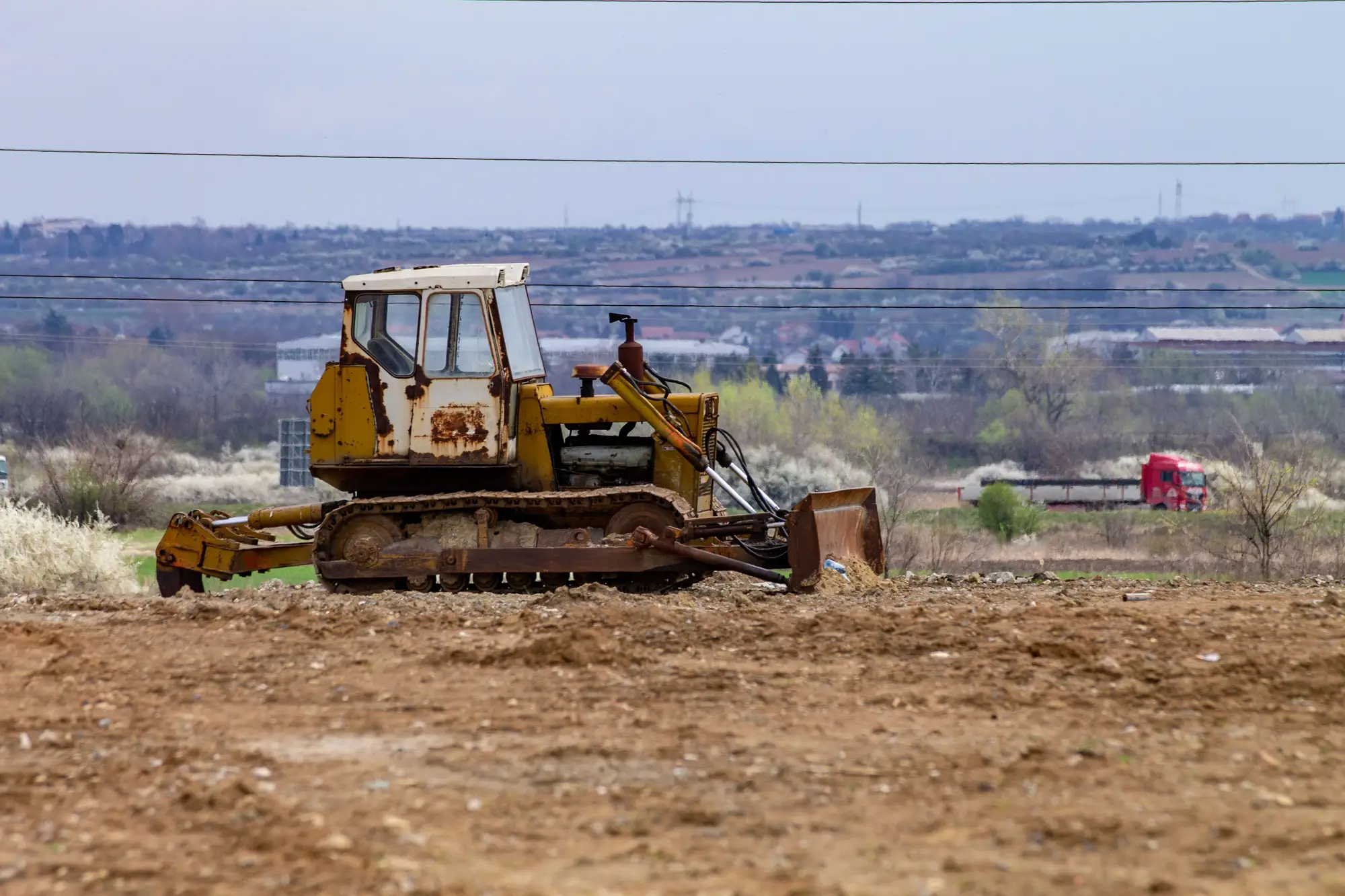
Cleared land, graded pads and new access roads going in are the real trigger. Certification is paperwork that sits ahead of that work, sometimes years ahead. Once earthworks start, a tenant has committed capital, a GC is mobilized, and the facility sits on a construction timeline measured in months. Someone has already signed a lease or bought the land outright by that point. The equipment specs for the building (conveyors, dock levelers, material handling, whatever your line covers) are getting finalized around then, and that's the window where a quote lands before a competitor's rep who's just driving the same county roads happens to notice the same dirt pile.
The terms worth knowing, briefly
A few other phrases show up in the same site selection documents and get confused with shovel-ready:
- Entitled: zoning and land-use approvals are in place, but utilities and environmental work may not be finished.
- Pad-ready: grading is complete to a buildable elevation, a step further along than most shovel-ready certifications require.
- Spec building: a developer is building without a committed tenant yet, betting the market will absorb it. These sites often move faster than build-to-suit once dirt moves, since the building is already designed.
- Greenfield vs. brownfield: undeveloped land versus a site with prior industrial use, and usually more remediation baggage.
Certification status, broker listings and EDC press releases tell you a site is eligible to be developed. They don't tell you when the work begins.
That's the gap a monthly pass over your territory closes: it catches the cleared land and graded pads directly, the month earthworks start, so a quote can go out while the site is still being built rather than after someone else already sold the fleet. Our landing page walks through how that alert works for a watch area you define.
If quoting off a certification list has left you a step behind more often than not, it might be worth watching the ground itself instead.