What is a certified site program, and why it can compress your quote window
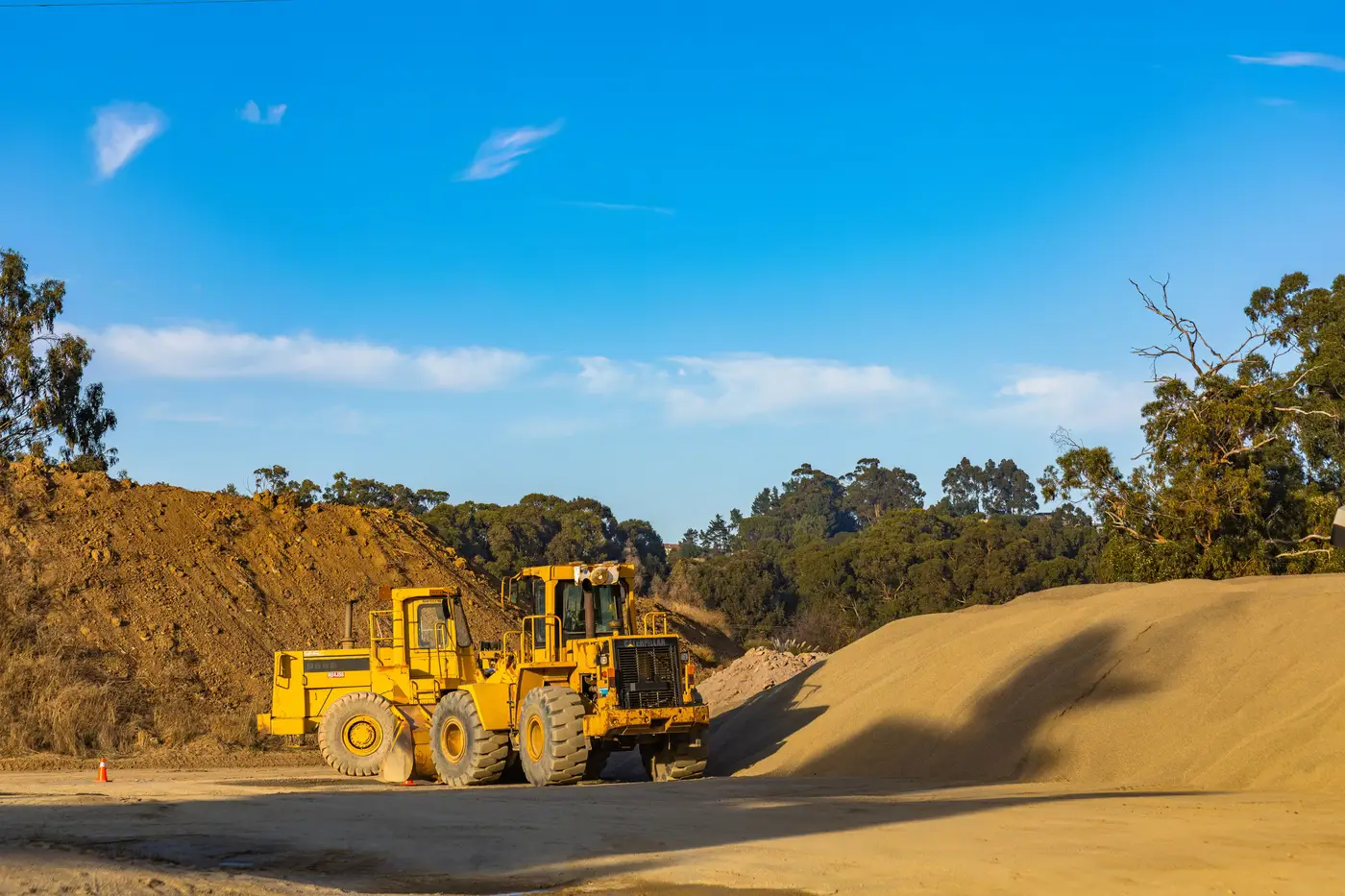
If you've been quoting equipment into greenfield plants for more than a few cycles, you've probably noticed the gap between "dirt starts moving" and "ribbon cutting" keeps getting shorter in certain states and on certain parcels. Usually that's a certified site program doing exactly what it was built to do.
What a certified site program actually is
A state or regional economic development agency takes a piece of industrial land and runs the due diligence before any tenant shows up. Title search, Phase I environmental, geotech borings, wetlands delineation, utility capacity studies, sometimes a preliminary grading plan. All of it gets packaged and stamped "certified" or "shovel-ready" or "select," depending on the state's branding. Georgia's GRAD program, Tennessee Select Sites, and similar efforts in the Carolinas and the Midwest all run on the same logic: do the slow, boring diligence work up front, once, for the state or the utility, instead of making every prospective tenant start from zero.
For a site selector shopping a project, a certified site shaves months off the front end because they're not waiting on a Phase II or a wetlands determination to come back before they'll sign a letter of intent. For you, the part that matters is different. Certified sites move faster out of the ground too, because the entitlement and engineering risk that normally slows a project between permit and first concrete pour has already been cleared.
Why certification compresses grading to first production
On an uncertified parcel, grading can start and then stall for weeks while a surprise shows up: a wetland boundary that doesn't match the Phase I, a utility easement nobody flagged, a geotech report that forces a redesign of the pad. Each of those is a quote-timeline event too, because a stalled pad means a pushed equipment delivery date and a customer who stops returning calls for a month.
On a certified site, most of that risk was retired before the tenant was named. The grading crew shows up, cuts the pad, builds the access road, and the general contractor moves straight into foundations without a mid-project halt for due diligence nobody did the first time around. That's the actual mechanism behind pre-qualified industrial site equipment lead time running shorter than on a raw parcel. Certified sites build faster because the work doesn't stop partway through for paperwork that should have been settled years earlier.
For an OEM rep, that means the stretch between first earthwork and the owner wanting equipment on-site can run considerably tighter than what you're used to budgeting on a non-certified greenfield deal. If your quote process assumes a cushion between groundbreak and the customer being ready to talk delivery windows, a certified site can eat that cushion before you've finished the first round of specs.
What this means for your quote timeline
Certification moves your entry point earlier, from permit-in-hand back toward first earthwork. On a raw site, you could reasonably wait for the building permit or even a framed shell before opening a conversation. On a certified site, earthwork starting is closer to a signal that the production timeline is already locked, because the owner picked that parcel specifically to avoid the delays a raw site would have forced.
That pushes the useful entry point for a quote back to the grading stage itself: cleared land, a graded pad, a new access road cut into a field that was corn or scrub six weeks earlier. Most reps already agree with that logic. The actual obstacle is nobody on your team physically driving past every certified industrial park in the territory every month checking for fresh dirt.
That's the gap a tool built around watching a defined area over time is meant to close, flagging a construction start with a date and location the month it happens rather than the month a press release does. If your territory includes a few certified megasites you've been meaning to watch more closely, that's worth a look at what Greenfield Watch catches before the next one breaks ground.