What is a megasite, and why do they sit idle for years?
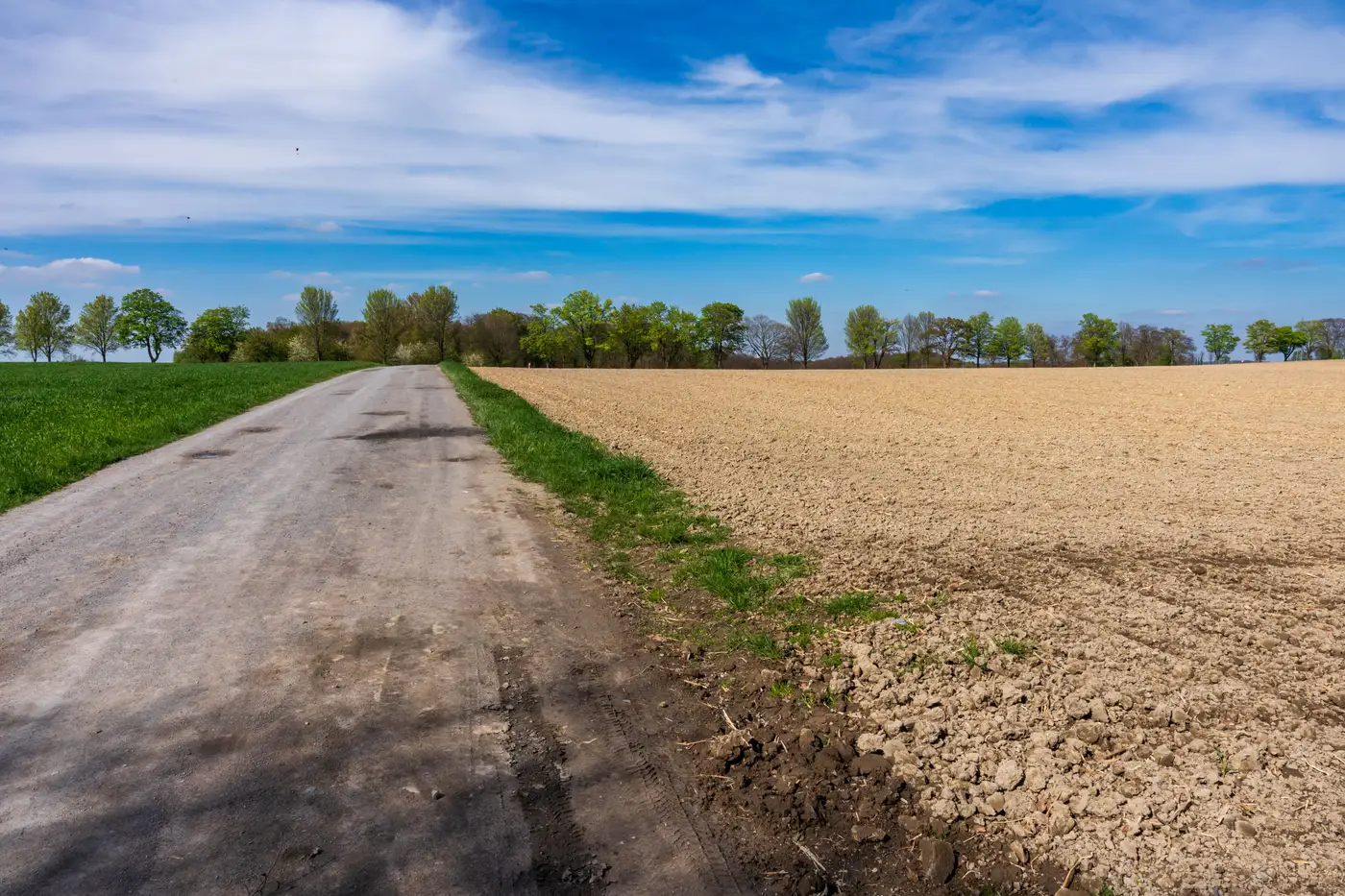
A "megasite" is industrial real estate jargon before it's anything else. States and economic development authorities use it to mean a large, pre-screened parcel, usually 500 to 2,000+ acres, that's been through some level of due diligence on title, zoning, utilities, rail or highway access, and environmental review. The term got loud a few years back when battery and chip plants started announcing 1,000-plus acre footprints, and every state's econ-dev office suddenly had a megasite program to pitch.
For an OEM rep quoting conveyor systems, cranes, or process equipment, the word matters because it shows up in press releases and site-selection databases years before there's a foundation to quote against. Knowing what the label does and doesn't promise saves you from treating an announcement as a buying signal.
What a certified site certifies
Most state megasite or "certified industrial site" programs certify the dirt, not the deal. A certification typically means:
- Clear title and a willing seller or public owner
- Zoning that allows heavy industrial use, or a documented path to get it
- Some baseline utility capacity confirmed, sometimes just a letter from the utility saying service is feasible
- Phase I (and sometimes Phase II) environmental work done
- Rail or interstate access within a reasonable distance
None of that requires a tenant. A site can carry a "shovel-ready" badge for a decade with no building permit filed, because certification is a marketing and recruiting tool for the state, not a construction schedule. The certification tells a site selector the diligence has been front-loaded. It tells you nothing about when, or whether, dirt gets moved.
Why the gap between certified and groundbreaking runs years
A handful of things stall certified sites long after the ribbon-cutting photo with the governor:
Incentive negotiations drag. The property tax abatement, workforce training grant, or infrastructure cost-share that made the site pencil out for the tenant can take 12 to 18 months to finalize after a letter of intent, especially if a state legislature has to appropriate anything.
The anchor tenant falls through. Megasites are often marketed around one hoped-for anchor, an EV plant, a data center campus, a semiconductor fab. When that prospect picks a different state, the site reverts to "available" and the clock resets, but the certification stays on the books.
Utility upgrades aren't finished. "Utility capacity confirmed" in a certification packet often means a study exists, not that substation upgrades or a new water line are built. Those can take two to four years of their own permitting and construction once a real tenant commits.
Permitting and public comment periods. Air permits for heavy industrial use, wetland delineations, and local zoning variances all run on their own timelines, and they frequently don't start in earnest until there's a signed tenant, not when the site was first certified.
So a site that's been "shovel-ready" since 2019 might not see a grading crew until 2026, and the announcement that finally triggers earthworks often comes with far less fanfare than the original certification did.
What this means for your pipeline
If you're building a territory list off state site-selection databases or certified-site registries, you're working from a list of candidates, not a schedule. The sites with the loudest marketing aren't necessarily the ones closest to breaking ground, and plenty of quiet parcels move first because the incentive package finally cleared or a tenant signed without a press event.
The signal you actually want is dirt work: cleared trees, graded pads, a new access road cut into a field that was corn last season. That's the point a plant stops being a line item in an economic development slide deck and starts being a jobsite with a schedule, which is also the point competitors start calling the GC for quotes.
A handful of OEM reps watch their certified-site lists manually, checking satellite imagery or driving by when they're in the area. For a territory with a dozen or more candidate parcels, that doesn't scale. Greenfield Watch runs a monthly pass over a watch area so the first break of ground on any of those sites shows up as a dated alert instead of something you find out about from a competitor's sales rep.
If you've got a list of certified or megasite parcels in your territory and no good way to know which one moves first, that's the gap Greenfield Watch is built to close.